- First published
- 1987
- Author
- Gary Paulsen
- Publisher
- Bradbury Press
- Pages
- 186
- This copy
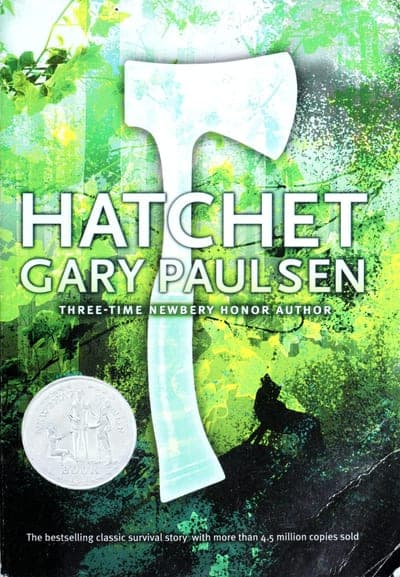
- paperback edition with Newbery Honor Book seal ("more than 4.5 million copies sold" banner; publisher/year not stated on cover)
Hatchet
Gary Paulsen · 1987
Brian Robeson is thirteen, flying alone in a small bush plane to spend the summer with his father in the oil fields of northern Canada, when the pilot has a heart attack and dies at the controls. Brian is carrying a secret about his mother the whole flight — something he witnessed and hasn't told anyone — and it keeps surfacing in his head while he's fighting to bring down a plane he's never flown, then again after, alone by the lake where he crashes.
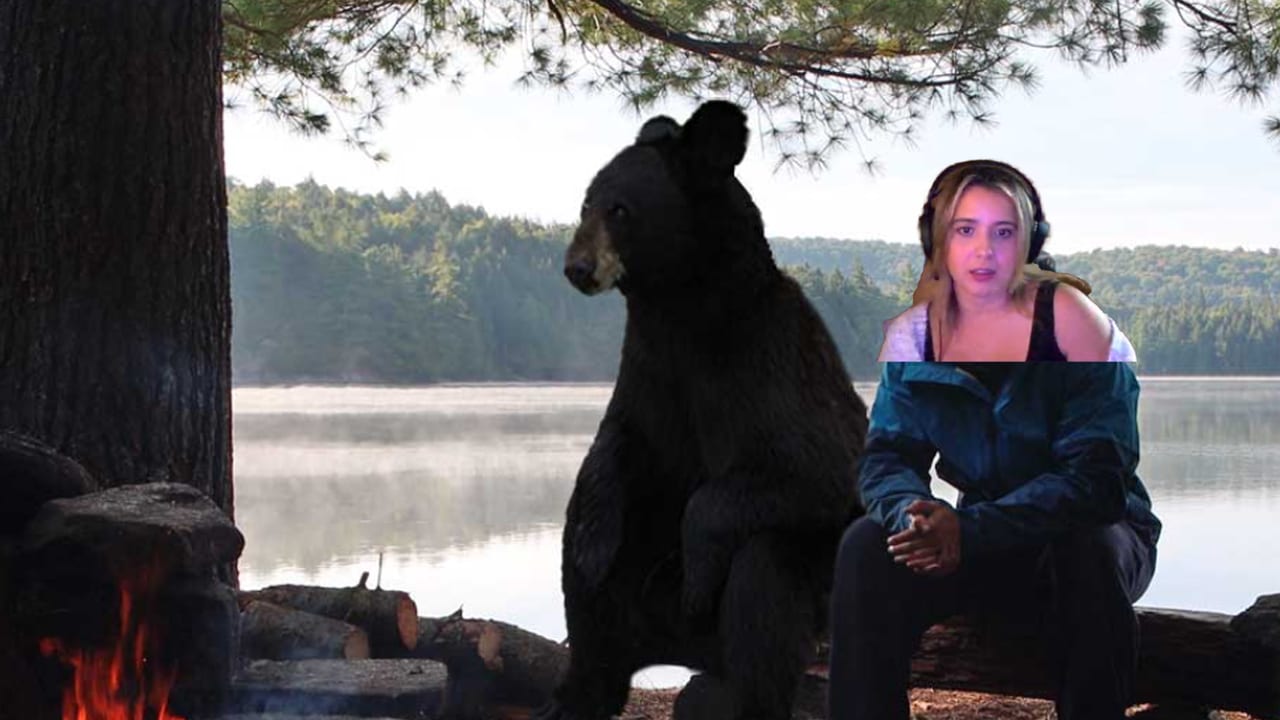
The hatchet is a going-away gift from his mother, the only tool he has, and the book is precise about what he manages to do with it — sparking a fire, losing it, learning to keep it. He works out how to catch fish and turtle eggs, hunts the grouse he starts calling fool-birds, and survives a porcupine in the dark, two encounters with bears, a pack of wolves that looks him over and moves on, and a moose that attacks him without warning. A tornado near the end turns the sunken plane over so its tail breaks the surface, and Brian builds a raft, pushes out to it and cuts his way inside, where the survival pack the pilot had pointed out on the flight up is still stowed — including a radio transmitter that eventually gets him found, after fifty-four days alone.
It's a young-adult book that trusts a reader with real physical detail — this is not a survival story that skips the parts where things go wrong — and that specificity is why it's stayed assigned reading for decades rather than just popular. The one thing to flag is pacing: the middle stretch is deliberately repetitive, because that's what the days actually were, and a reader wanting constant incident will feel the book slow down exactly where Paulsen wants it to.